
"dry fermentation"
5000 article(s) found

Introduction to the Flavor of different treatments of Red Honey by washing Coffee
Introduction to the flavor of different treatments of sunburn honey by washing coffee. The process of natural solarization (Natural/Dried-in-the-Fruit) is the simplest. The fruit begins the process of sun drying without treatment after picking. This is the oldest method of treatment in existence. This method is still used in places such as Ethiopia and Brazil. The natural solarization method is used in

Introduction to the description of taste and flavor of coffee beans treated by sun exposure
Characteristics of sun treatment of coffee beans taste and flavor description 1. The process of natural solarization (Natural/Dried-in-the-Fruit) is the simplest. The fruit begins the process of sun drying without treatment after picking. This is the oldest method of treatment in existence. This method is still used in places such as Ethiopia and Brazil. The natural solarization method is used in

The treatment methods of raw beans should be analyzed.
1. Natural solarization (Natural/Dried-in-the-Fruit): the process of this method is the simplest. The fruit begins the process of sun drying without treatment after picking. This is the oldest method of treatment in existence. This method is still used in places such as Ethiopia and Brazil. Natural solarization is most common in areas where water resources are scarce. The process of drying is usually

Treatment of dry fermented honey by small farmers in Torres, Colombia
Colombian Torres small farmer batch dry fermented honey from Colombian coffee farmer Ricardo? Ricardo Torres's honey-treated coffee beans are part of his community crop program at Palm Tree and Big Bird Manor. After picking and screening the coffee cherries, rest for several hours to pre-ferment, then remove the peel, and then place in

According to the degree of fermentation, tea is divided into fermented tea, green tea, black tea and Pu'er tea.
Many kinds of tea come from the same plant Camellia. Different kinds of tea are the result of different tea-making processes. The degree of tea fermentation is one of the key steps in the process of making tea. It refers to how many enzymes are allowed to oxidize tea before drying. The oxidation process can be prevented by baking or steaming before the leaves are completely dry. After fermentation, the originally dark green leaves turned reddish brown.

What are the processing steps of coffee beans? peeling, fermentation, drying and baking
1. Peeling removes the peel and most of the flesh by mechanical or manual means. two。 Fermentation removes the mucus and film from the core by fermentation. as the length of fermentation time will affect the flavor of coffee, each manufacturer has its own fermentation time. 3. The drying method is mainly divided into natural sun drying and natural air drying. Excessive water content can easily lead to mildew and insect growth of raw coffee beans.

Coffee fruit solarization, honey treatment, water washing, semi-washing, barrel fermentation, paste impregnation fermentation
Professional coffee knowledge exchange more coffee bean information Please follow the coffee workshop (Wechat official account cafe_style) Coffee fruit sun drying, honey treatment, water washing, semi-washing, barrel fermentation, paste impregnation fermentation treatment what is the difference? When coffee still grows on the tree with peel and pulp, it is called coffee cherry. Coffee beans are only used in the middle of the seed and picked.

Popularization of professional coffee knowledge | what is honey treatment?
Let's analyze each method of raw bean treatment one by one: 1. Natural solarization (Natural/Dried-in-the-Fruit): the process of this method is the simplest. The fruit begins the process of sun drying without treatment after picking. This is the oldest method of treatment in existence. This method is still used in places such as Ethiopia and Brazil. The natural solarization method is used in
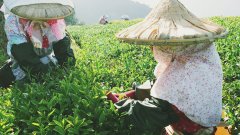
Classification of common tea characteristics and processing methods of tea production
A brief introduction to the tea processing process due to the differences in the production and processing procedures and the quality characteristics of tea after the tea processing process, it can be divided into two systems: (1) according to the degree of tea fermentation and oxidation in the tea processing process: unfermented tea, partially fermented tea and fully fermented tea. (2) according to the appearance and color of tea products, it can be divided into green tea, yellow tea, white tea, green tea, black tea and black tea.

The process of processing and fermentation of Ethiopian coffee by washing
Ethiopian coffee washing is used to process fermented coffee. Coffee is either dried naturally on the patio, or dried by machine, or both. The treatment is to spread the coffee cherries widely on the exposure field for two weeks and sweep them with a rake several times a day so that the coffee beans can be dried more evenly. When dried, the coffee beans will be separated from the skin and dried by a sheller.

What is the honey treatment of coffee? what are the characteristics of coffee beans treated with honey? what is the reason for coffee leucorrhea?
1. Natural solarization (Natural/Dried-in-the-Fruit): the process of this method is the simplest. The fruit begins the process of sun drying without treatment after picking. This is the oldest method of treatment in existence. This method is still used in places such as Ethiopia and Brazil. Natural solarization is most common in areas where water resources are scarce. The process of drying is usually

How to deal with coffee beans? what kind of coffee do you have? the higher the altitude, the better.
Honey treatment is used in almost all the producing areas of Costa Rica. This method is also widely spread throughout Central America. Because the surface mucosa of coffee beans is extremely sticky and smooth and the sugar content is extremely high, it is often called honey. In the process of honey treatment, coffee will leave some or all of the honey when it is dried. After the coffee fruit is picked, graded and peeled, it is dried.

Introduction to the treatment of coffee beans there are several ways to treat coffee beans. What should be used for different coffee?
Honey treatment is used in almost all the producing areas of Costa Rica. This method is also widely spread throughout Central America. Because the surface mucosa of coffee beans is extremely sticky and smooth and the sugar content is extremely high, it is often called honey. In the process of honey treatment, coffee will leave some or all of the honey when it is dried. After the coffee fruit is picked, graded and peeled, it is dried.

Honey treatment Coffee beans Sun-washed Flavor Description Treatment method Production area Manor introduction
1. Natural/Dried-in-the-Fruit The process of this treatment method is the simplest. The fruit begins the sun drying process without treatment after picking. This is the oldest treatment in existence. This method is still used today in places such as Ethiopia and Brazil. natural days

Coffee bean origin coffee bean planting environment
The process of natural solarization is the simplest. The fruit begins the process of sun drying without treatment after picking. This is the oldest method of treatment in existence. This method is still used in places such as Ethiopia and Brazil. Natural solarization is most common in areas where water resources are scarce. The drying process usually lasts about 4 weeks. The way to deal with it must be very

Coffee bean treatment method introduction of coffee bean treatment
In the process of washing, the peel and pulp of the fruit are treated with a special desizing machine and the coffee beans are peeled off. The coffee beans then enter the fermentation tank for fermentation treatment so that the mucous membrane is no longer sticky. The sugars in the mucous membrane are decomposed during fermentation. Depending on the fermentation method, the fermentation time is usually 12 hours to 6 days (some growers use the watering system to ferment coffee beans. This kind of square
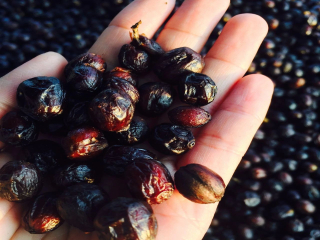
The difference between honey treatment and sun washing what is raisin honey treatment?
Before you really knew the "honey treatment", did you ever think that the honey treatment was the fermentation of coffee beans with honey? But in fact, this is a treatment between the sun and washing, and after the popularity of honey treatment, there is a treatment called raisin honey treatment. Let's talk to you from Qianjie today.

Fine coffee treated with red wine
High-quality coffee beans are refined by water treatment. The coffee beans with less impurities can be obtained by the water washing method, but if the water quality and time are not properly controlled during the fermentation process, the coffee beans will easily be infected with the sour taste of excessive fermentation. and dry beans also need to pay attention to timely re-inspection to prevent coffee beans from being contaminated by wet ground and sundries. Processed

Columbia Water washing Coffee Columbia Plan Manor dry fermentation treatment Water washing bidding batch
Professional coffee knowledge exchange more coffee bean information please follow Coffee Workshop (Wechat official account cafe_style) Front Street-Columbia Plan Manor dry fermentation Water washed Fine Coffee introduction Colombia is located in the Andes, where the climate is mild, humid, good rainfall, makes it very suitable for coffee growth, according to the geographical location is divided into the north, the middle

Introduction to the processing method of sun washing and semi-washing of coffee beans
Introduction of coffee treatment 1. The process of natural solarization (Natural/Dried-in-the-Fruit) is the simplest. The fruit begins the process of sun drying without treatment after picking. This is the oldest method of treatment in existence. This method is still used in places such as Ethiopia and Brazil. Natural solarization is most common in areas where water resources are scarce.